


Cart 0
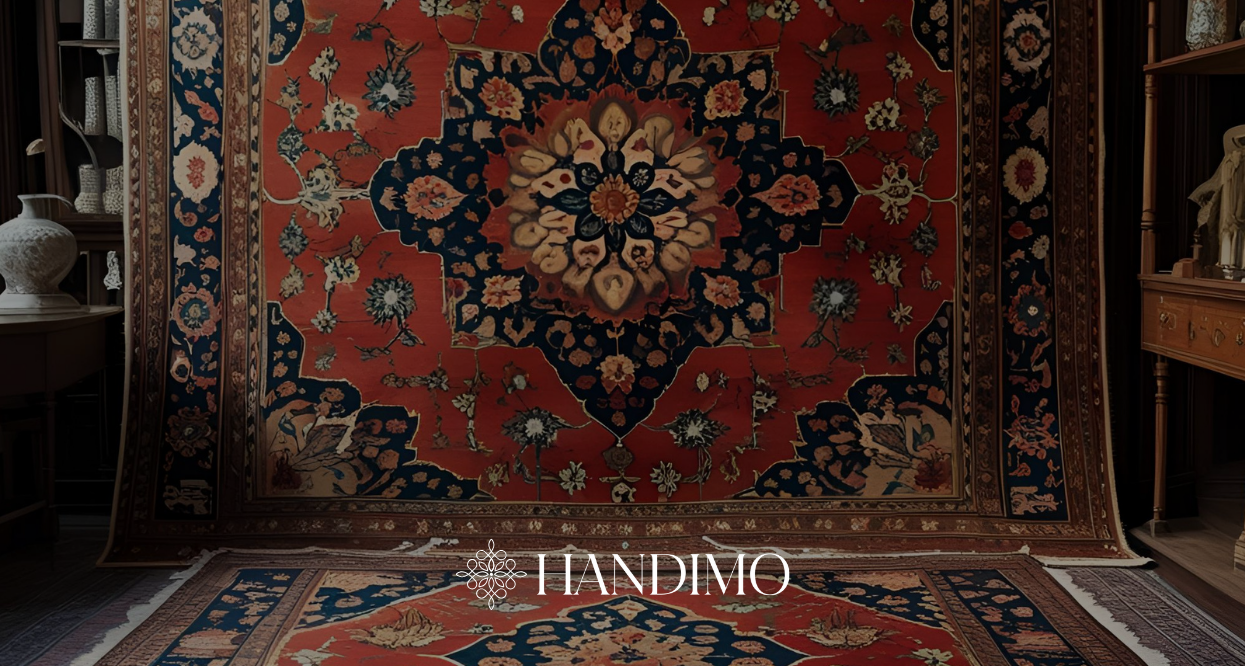

1. Introduction – Finding Your Dream Persian Rug
Imagine stepping into a room where the floor tells a story—a tapestry of intricate patterns woven by skilled artisans, each knot a testament to centuries of tradition. A Persian rug is more than a floor covering; it’s a piece of art, a cultural heirloom, and a statement of elegance that transforms any space. For those seeking their dream Persian rug, the journey is as enriching as the destination. This Persian rug buying guide is your roadmap to finding an authentic Persian rug that resonates with your soul and elevates your home. Whether you’re drawn to the vibrant hues of a Tabriz or the understated elegance of a Gabbeh, this article will guide you through the process with clarity and passion.
Why Choose a Persian Rug?
Persian rugs have captivated hearts for generations, and their allure is timeless. These hand-knotted carpets are not just decor; they’re investments in beauty, history, and craftsmanship. Here’s why they stand out:
- Cultural Significance: Each rug carries the legacy of Persian artistry, with designs that reflect regional stories, from the floral motifs of Isfahan to the geometric patterns of Shiraz.
- Unmatched Quality: Hand-knotted by artisans, these rugs are built to last, often enduring for decades or even centuries with proper care.
- Aesthetic Versatility: Whether your home is modern, bohemian, or traditional, there’s a Persian rug that complements your style.
- Emotional Connection: Owning a Persian rug feels like owning a piece of history, evoking a sense of pride and wonder every time you walk on it.
The Emotional Pull of a Persian Rug
Picture this: You’re hosting a dinner party, and your guests can’t stop admiring the intricate rug beneath their feet. Its deep reds and blues seem to glow under the soft lighting, sparking conversations about its origins. This is the magic of a Persian rug—it’s not just decor; it’s a conversation starter, a memory maker. For many, the search for the dream Persian rug is deeply personal. It’s about finding a piece that speaks to your taste, reflects your values, and feels like home. Perhaps you’re drawn to the idea of a rug that tells a story of a faraway village or one that mirrors the colors of a cherished memory. Whatever your yearning, this guide will help you navigate the world of luxury rugs for home with confidence.
What to Expect in This Guide
This Persian rug buying guide is designed to empower you, whether you’re a first-time buyer or a seasoned collector. In the sections that follow, we’ll explore the authenticity of Persian rugs, the various types of hand-knotted carpets, how to choose the right size, color, and pattern, and tips for matching your rug with your home decor. Along the way, we’ll weave in stories of artisans, practical advice, and examples to inspire your journey. By the end, you’ll be equipped to find an authentic Persian rug that’s perfect for you.
Getting Started: Your Journey to the Perfect Rug
Before diving into the specifics, take a moment to envision your ideal rug. What colors draw you in? Do you prefer bold, intricate designs or minimalist, earthy tones? Are you furnishing a cozy living room or a grand dining area? These questions will guide your search. For example, Sarah, a young professional in Chicago, fell in love with a vibrant Kashan rug for her apartment. Its floral patterns reminded her of her grandmother’s garden, blending nostalgia with modern elegance. Your dream Persian rug is out there, waiting to tell its story in your home.
2. Understanding Persian Rug Authenticity
When you set out to find an authentic Persian rug, authenticity is the cornerstone of your decision. But what does “authentic” really mean in the context of hand-knotted carpets? An authentic Persian rug is one that’s handcrafted in Iran (historically Persia), using traditional techniques passed down through generations. These rugs are not mass-produced; they’re labors of love, often taking months or years to complete. In this section, we’ll explore what makes a rug authentically Persian, how to spot genuine craftsmanship, and why authenticity matters for your luxury rugs for home.
Defining Authenticity: What Makes a Rug Persian?
An authentic Persian rug is defined by its origin, materials, and craftsmanship. Here are the key elements:
- Origin: True Persian rugs are made in Iran. While similar rugs are crafted in countries like Turkey, India, or Pakistan, only those from Iran carry the Persian designation.
- Hand-Knotted Construction: Unlike machine-made rugs, Persian rugs are meticulously knotted by hand, with each knot tied by an artisan. This process ensures durability and uniqueness.
- Natural Materials: Authentic rugs typically use high-quality wool, silk, or cotton, often dyed with natural dyes derived from plants, insects, or minerals.
- Traditional Designs: Each region in Iran has distinct patterns, from the symmetrical motifs of Tabriz to the nomadic charm of Qashqai rugs.
How to Identify an Authentic Persian Rug
With so many rugs on the market, distinguishing an authentic Persian rug from a knockoff can be challenging. Here are some tips to ensure you’re investing in the real thing:
- Check the Back: Flip the rug over. A hand-knotted rug will show a mirror image of the front’s pattern, with visible knots. Machine-made rugs often have a glued or stitched backing.
- Examine the Fringe: In authentic rugs, the fringe is an extension of the rug’s warp threads, not sewn on separately.
- Feel the Texture: Hand-knotted rugs have a slightly uneven texture due to the human touch. Run your hand across the surface; it should feel soft yet sturdy.
- Ask for Provenance: Reputable sellers provide details about the rug’s origin, including the region and sometimes the artisan or workshop.
- Look for Imperfections: Slight irregularities in the pattern or color are hallmarks of handcrafted work, not flaws.
| Feature | Authentic Persian Rug | Machine-Made Rug |
| Construction | Hand-knotted, visible knots on back | Machine-woven, often with glued backing |
| Materials | Natural wool, silk, cotton; natural dyes | Synthetic fibers, chemical dyes |
| Fringe | Integral part of the rug | Sewn or glued on |
| Pattern | Slight imperfections, unique designs | Perfectly uniform, repetitive patterns |
| Durability | Lasts decades or centuries with care | Wears out faster, less durable |
Why Authenticity Matters
Investing in an authentic Persian rug is about more than aesthetics—it’s about value and legacy. These rugs are heirlooms, often passed down through generations. For instance, consider the story of Reza, an artisan from Isfahan, who spent nine months weaving a silk rug for his daughter’s wedding. Each knot was a prayer for her happiness, making the rug a cherished family treasure. When you choose an authentic rug, you’re not just buying decor; you’re preserving a piece of cultural history. Plus, authentic rugs hold their value better than machine-made alternatives, making them a wise investment for luxury rugs for home.
Avoiding Common Pitfalls
The market is flooded with imitations, so vigilance is key. Be wary of deals that seem too good to be true—authentic Persian rugs are rarely cheap due to the labor involved. Research the seller’s reputation, read reviews, and, if possible, visit a showroom to see the rug in person. Online, look for detailed descriptions and high-quality photos. For example, Emily, a collector from New York, once purchased a “Persian” rug online, only to discover it was machine-made in China. By learning to spot authenticity markers, you can avoid such disappointments and find your dream Persian rug.
3. Types of Hand-Knotted Persian Carpets
The world of hand-knotted carpets is vast and varied, with each type of Persian rug offering distinct characteristics rooted in its region of origin. From the opulent silk rugs of Qom to the rustic charm of Hamadan, understanding these types will help you pinpoint the perfect rug for your home. This section explores the most popular types of Persian rugs, their unique features, and how they can elevate your space.
Major Types of Persian Rugs
Each Persian rug is a reflection of its region’s culture, climate, and artistry. Below are some of the most iconic types:
- Tabriz: Known for their intricate floral designs and high knot density, Tabriz rugs are among the finest. They often feature silk and wool blends, with colors ranging from soft pastels to rich reds and blues. Ideal for formal spaces like dining rooms.
- Isfahan: These rugs are renowned for their symmetry and detailed motifs, often depicting gardens or historical scenes. Made with fine wool or silk, they’re perfect for elegant, traditional homes.
- Kashan: Featuring classic medallion designs, Kashan rugs are known for their durability and vibrant colors, making them versatile for various decor styles.
- Gabbeh: These thick, woolen rugs have simple, bold patterns and earthy tones, ideal for cozy, modern spaces with a bohemian flair.
- Qashqai: Woven by nomadic tribes, these rugs feature geometric patterns and vivid colors, adding a rustic charm to any room.
Comparing Persian Rug Types
| Rug Type | Region | Materials | Designs | Best For |
| Tabriz | Northwest Iran | Wool, silk | Floral, intricate | Formal spaces, luxury homes |
| Isfahan | Central Iran | Wool, silk | Symmetrical, garden motifs | Elegant, traditional decor |
| Kashan | Central Iran | Wool | Medallion, floral | Versatile, family homes |
| Gabbeh | Southwest Iran | Wool | Simple, bold, geometric | Modern, bohemian spaces |
| Qashqai | Southwest Iran | Wool | Geometric, tribal | Rustic, eclectic rooms |
Stories Behind the Rugs
Each type of rug tells a story. Take the Gabbeh, for instance. Woven by nomadic women in the Zagros Mountains, these rugs often reflect the weaver’s environment—think patterns inspired by rolling hills or starry skies. One buyer, Michael, purchased a Gabbeh for his minimalist loft in Seattle. Its bold red and blue geometric shapes became the centerpiece of his living room, sparking curiosity among guests. Similarly, a Tabriz rug might evoke the grandeur of Persian palaces, with its intricate designs telling tales of royalty and artistry. When choosing a rug, consider the story you want to bring into your home.
Which Type Suits You?
Your lifestyle and aesthetic preferences will guide your choice. If you’re drawn to luxury and sophistication, a Tabriz or Isfahan rug might be your dream Persian rug. For a cozy, laid-back vibe, a Gabbeh or Qashqai could be ideal. Consider the room’s function, too—a durable Kashan is great for high-traffic areas like living rooms, while a delicate silk Qom rug might suit a low-traffic space like a bedroom. By understanding the unique qualities of each type, you can narrow down your options and find a rug that feels like it was made for you.
4. Choosing the Right Size, Color, and Pattern
Selecting the right size, color, and pattern for your authentic Persian rug is crucial to ensuring it enhances your space. A rug that’s too small can look out of place, while the wrong color or pattern might clash with your decor. This section of our Persian rug buying guide offers practical advice to help you make informed choices, complete with examples and tips for finding your dream Persian rug.
Sizing Your Persian Rug
The size of your rug should complement the room’s dimensions and furniture layout. Here’s a quick guide:
- Living Rooms: The rug should be large enough to fit under the front legs of your furniture (sofa, chairs, coffee table). A 9×12 ft rug works well for medium-sized living rooms, while larger spaces may need a 10×14 ft or bigger.
- Dining Rooms: Ensure the rug extends at least 24 inches beyond the table’s edges to accommodate chairs when pulled out. An 8×10 ft rug suits most dining tables.
- Bedrooms: Place a rug under the bed, extending at least 18–24 inches on each side. A 6×9 ft rug works for a queen bed, while a king bed may need an 8×10 ft.
- Hallways and Entryways: Runner rugs (2.5×8 ft or longer) are ideal for narrow spaces, adding warmth and style.
Pro Tip: Measure your space and use painter’s tape to outline the rug’s dimensions on the floor. This helps visualize the size before buying.
Choosing the Right Color
Color sets the mood of your rug and room. Persian rugs offer a spectrum of hues, from vibrant reds and blues to muted earth tones. Consider these factors:
- Room Lighting: Brightly lit rooms can handle bold colors like red or navy, while softer tones like ivory or beige suit dimly lit spaces.
- Mood and Style: Warm colors (reds, oranges) create a cozy, inviting vibe, while cool tones (blues, greens) feel calming. Neutral tones (beige, gray) are versatile for modern decor.
- Existing Decor: Match or contrast with your furniture and walls. For example, a blue Isfahan rug can pop against neutral furniture, while a red Kashan complements wooden tones.
For instance, Laura, a homeowner in Austin, chose a navy Tabriz rug with ivory accents for her living room. The bold color anchored her neutral sofa and added drama without overwhelming the space.
Selecting the Perfect Pattern
Persian rug patterns range from intricate floral designs to bold geometric shapes. Here’s how to choose:
- Floral and Medallion: Ideal for traditional or formal spaces, these patterns (common in Tabriz and Kashan rugs) add elegance and sophistication.
- Geometric: Found in Gabbeh and Qashqai rugs, these patterns suit modern or bohemian homes, offering a casual, artistic vibe.
- All-Over Patterns: These rugs have no central focal point, making them versatile for busy rooms where furniture placement varies.
- Border Designs: Rugs with detailed borders draw the eye outward, perfect for open-plan spaces.
Example: John, a designer in San Francisco, selected a Gabbeh rug with bold red and yellow geometric patterns for his eclectic studio. The rug’s simplicity balanced his mix of vintage and modern furniture, creating a cohesive look.
Practical Tips for Decision-Making
- Visualize with Samples: Many retailers offer swatches or small samples to test colors and patterns in your space.
- Consider Maintenance: Lighter colors show dirt more easily, so opt for darker or busier patterns in high-traffic areas.
- Balance the Room: If your furniture is bold, choose a subtler rug. If your decor is minimal, a vibrant rug can be the focal point.
| Room Type | Recommended Size | Color Suggestions | Pattern Suggestions |
| Living Room | 9×12 ft, 10×14 ft | Navy, red, beige | Medallion, floral |
| Dining Room | 8×10 ft, 10×12 ft | Deep red, green | Border, all-over |
| Bedroom | 6×9 ft, 8×10 ft | Ivory, soft blue | Floral, subtle geometric |
| Hallway | 2.5×8 ft runner | Earth tones, navy | Geometric, striped |
5. How to Match Your Rug with Home Décor
A Persian rug is a statement piece, but its true magic lies in how it harmonizes with your home decor. Whether your style is modern, traditional, or eclectic, an authentic Persian rug can elevate your space when paired thoughtfully. This section offers guidance on matching your dream Persian rug with your home’s aesthetic, with tips, examples, and inspiration for creating a cohesive look.
Understanding Your Decor Style
Before selecting a rug, identify your home’s decor style. Here are common styles and how Persian rugs complement them:
- Traditional: Richly detailed Tabriz or Isfahan rugs enhance classic furniture, such as mahogany tables or velvet sofas, with their intricate patterns and warm colors.
- Modern: Gabbeh or Qashqai rugs with bold, simple designs pair well with sleek furniture and neutral palettes, adding texture without overwhelming the space.
- Bohemian: Layer a vibrant Qashqai rug with eclectic textiles and plants for a free-spirited, cozy vibe.
- Transitional: Kashan rugs, with their versatile medallion designs, bridge traditional and modern elements, suiting homes with mixed aesthetics.
Coordinating Colors and Patterns
To create harmony, align your rug’s colors and patterns with your room’s elements:
- Color Coordination: Match the rug’s dominant color to an accent in your room, like throw pillows or curtains. For example, a red Kashan rug can tie into red cushions on a neutral sofa.
- Pattern Balance: If your room has bold wallpaper or upholstery, choose a rug with a simpler pattern. For minimalist rooms, a detailed rug can be the focal point.
- Texture Play: Persian rugs add texture, so pair them with complementary materials. A wool Gabbeh rug softens a room with hard surfaces like wood or metal.
Example: Maria, a decorator in Miami, used a blue Isfahan rug in her client’s modern living room. The rug’s intricate floral pattern contrasted beautifully with the room’s sleek white furniture, creating a balanced yet striking look.
Placement Tips for Maximum Impact
How you place your rug affects its visual impact. Here are some tips:
- Anchor the Room: In living rooms, place the rug under the front legs of furniture to create a cohesive seating area.
- Define Spaces: In open-plan homes, use rugs to delineate zones (e.g., a dining area rug separate from a living area rug).
- Highlight Focal Points: Center a medallion rug under a chandelier or coffee table to draw attention to the room’s centerpiece.
Real-Life Inspiration
Consider the story of Aisha, a teacher in Boston, who transformed her small apartment with a Gabbeh rug. Her bohemian decor featured colorful cushions and macramé wall hangings, but the space felt incomplete. Adding a red and orange Gabbeh rug tied the room together, its bold geometric pattern complementing her eclectic style. Similarly, a corporate office in London used a large Tabriz rug to add warmth to a sleek, glass-walled boardroom, proving Persian rugs can shine in professional settings too.
Practical Considerations
- Lighting: Test how the rug’s colors look under your room’s lighting. Natural light enhances vibrant hues, while artificial light may soften them.
- Furniture Scale: Ensure the rug’s size doesn’t overwhelm small furniture or get lost under large pieces.
- Maintenance: High-traffic areas need durable rugs like Kashan, while delicate silk rugs suit low-traffic spaces like bedrooms.
By thoughtfully matching your authentic Persian rug to your decor, you create a space that feels cohesive, inviting, and uniquely yours.

6. Recognizing Quality and Craftsmanship
When searching for your dream Persian rug, understanding the hallmarks of quality and craftsmanship is essential. An authentic Persian rug is a masterpiece of artistry, defined by the skill of its weaver, the materials used, and the intricacy of its design. This section of our Persian rug buying guide dives into how to assess quality in hand-knotted carpets, offering practical tips, examples, and insights to ensure you invest in a rug that’s both beautiful and enduring.
Key Indicators of Quality
Quality in Persian rugs is measured by several factors, each contributing to the rug’s durability, aesthetic appeal, and value. Here’s what to look for:
- Knot Density: Measured in knots per square inch (KPSI), higher knot counts indicate finer craftsmanship. For example, a Tabriz rug might have 200–500 KPSI, while a Gabbeh may have 40–100 KPSI, reflecting its coarser style.
- Material Quality: High-quality wool, silk, or cotton ensures longevity. Wool should feel soft yet resilient, while silk adds a lustrous sheen.
- Dye Quality: Natural dyes (from plants or minerals) create rich, lasting colors that age gracefully, unlike synthetic dyes that may fade unevenly.
- Weaving Technique: Symmetrical (Turkish) or asymmetrical (Persian) knots should be tight and consistent, visible on the rug’s back.
- Edge and Fringe Finishing: Well-finished edges and integral fringes (not sewn on) signal careful craftsmanship.
| Quality Factor | High-Quality Rug | Lower-Quality Rug |
| Knot Density | 100–500+ KPSI | Below 100 KPSI |
| Materials | Fine wool, silk | Synthetic fibers |
| Dyes | Natural, vibrant | Synthetic, prone to fading |
| Knots | Tight, consistent | Loose, uneven |
| Edges/Fringe | Hand-finished, integral | Sewn or glued |
Assessing Craftsmanship in Person
When evaluating a rug, engage your senses. Run your hand across the pile—high-quality wool feels soft but sturdy, and silk should glide smoothly. Examine the back for tight, even knots; a mirror image of the front pattern confirms hand-knotting. Check for slight imperfections, like minor variations in color or pattern, which indicate human artistry rather than machine precision. For example, when Lisa, a retiree in Denver, visited a rug gallery, she was drawn to a Kashan rug’s dense knots and vibrant natural dyes, which stood out compared to a machine-made imitation nearby.
The Artisan’s Touch: A Story of Craftsmanship
Behind every authentic Persian rug is an artisan’s dedication. Take the story of Fariba, a weaver from Qom, who spent a year creating a silk rug with over 600 KPSI. Each knot was a meditation, her fingers dancing across the loom to craft a floral design inspired by her childhood garden. Such craftsmanship elevates Persian rugs into art, making them luxury rugs for home that carry emotional weight. When buying, ask about the rug’s origin—reputable sellers often share details about the weaver or region, deepening your connection to the piece.
Practical Tips for Buyers
- Compare Knot Counts: While higher KPSI indicates finer work, coarser rugs like Gabbeh are intentionally less dense for a rustic look. Match knot density to your aesthetic goals.
- Test Durability: Gently tug the pile; high-quality materials won’t shed easily.
- Request a Certificate: Authentic rugs often come with a certificate of authenticity detailing origin, materials, and knot count.
- Avoid Bargains: Exceptionally low prices often signal lower quality or inauthenticity. A hand-knotted rug requires months of labor, reflected in its cost.
By focusing on these quality markers, you’ll ensure your dream Persian rug is a lasting investment, blending beauty with craftsmanship.
7. Regional Designs and Their Significance
Persian rugs are a tapestry of Iran’s diverse regions, each with unique designs that tell stories of culture, history, and environment. Understanding these regional variations helps you choose a rug that resonates with your taste and complements your home. This section explores the significance of regional designs in hand-knotted carpets, highlighting their origins, motifs, and ideal uses in your Persian rug buying guide.
Exploring Regional Designs
Each Persian rug reflects its region’s heritage, from urban workshops to nomadic looms. Here are some prominent regional designs:
- Tabriz (Northwest Iran): Known for intricate floral patterns, medallions, and historical scenes, Tabriz rugs often blend silk and wool. Their high knot density makes them ideal for formal spaces.
- Isfahan (Central Iran): Symmetrical designs with floral motifs, often depicting gardens or mosques, characterize Isfahan rugs. Their elegance suits traditional or luxurious homes.
- Shiraz (Southwest Iran): Woven by Qashqai or other nomadic tribes, these rugs feature bold geometric patterns and vibrant colors, reflecting pastoral life.
- Kerman (Southeast Iran): Kerman rugs are known for their detailed floral or pictorial designs, often with soft color palettes, perfect for classic interiors.
- Nain (Central Iran): These rugs combine fine wool and silk, featuring delicate floral patterns in muted tones like ivory and blue, ideal for refined spaces.
Cultural and Historical Significance
Each region’s designs carry deep meaning. For example, Shiraz rugs often include diamond-shaped medallions symbolizing protection, a nod to nomadic beliefs. Isfahan rugs may depict the domes of historic mosques, connecting the owner to Persia’s architectural legacy. Consider the story of Hossein, a Shiraz weaver, whose Qashqai rug featured a tree-of-life motif, symbolizing family and growth. When Anna, a buyer from London, chose this rug, she felt connected to its story, placing it in her family room to honor its symbolism.
Choosing a Regional Design for Your Home
Your home’s style and function guide your choice of regional design:
- Formal Spaces: Tabriz or Nain rugs, with their intricate patterns, elevate dining rooms or offices.
- Cozy Areas: Shiraz or Gabbeh rugs add warmth to living rooms or bedrooms with their bold, rustic charm.
- Neutral Decor: Kerman rugs, with softer palettes, blend seamlessly into minimalist or transitional spaces.
| Region | Design Features | Color Palette | Best Use |
| Tabriz | Floral, medallions | Reds, blues, ivory | Formal living/dining rooms |
| Isfahan | Symmetrical, floral | Blues, creams, reds | Elegant, traditional spaces |
| Shiraz | Geometric, tribal | Reds, blues, earth tones | Cozy, eclectic rooms |
| Kerman | Pictorial, floral | Pastels, soft blues | Classic, neutral interiors |
| Nain | Delicate, floral | Ivory, blue, beige | Refined, low-traffic areas |
Tips for Selecting a Regional Design
- Research the Story: Learn about the region’s history to deepen your appreciation. For example, a Tabriz rug might evoke the bustling bazaars of northwest Iran.
- Match to Mood: Bold Shiraz rugs energize a room, while Nain’s subtlety calms it.
- Consider Scale: Intricate designs like Isfahan’s shine in larger rugs, while simpler Shiraz patterns work well in smaller sizes.
By understanding regional designs, you can find an authentic Persian rug that not only enhances your decor but also tells a story that resonates with you.
8. Materials and Textures to Consider
The materials and textures of a Persian rug define its look, feel, and durability. From the softness of wool to the sheen of silk, each material contributes to the rug’s character and functionality. This section of our Persian rug buying guideexplores the materials used in hand-knotted carpets, their textures, and how to choose the right combination for your luxury rugs for home.
Common Materials in Persian Rugs
Persian rugs are crafted from natural materials, each offering unique benefits:
- Wool: The most common material, wool is durable, soft, and naturally stain-resistant. High-quality wool (e.g., from Kurdish or Merino sheep) feels luxurious and lasts generations.
- Silk: Used in fine rugs like Qom or Nain, silk adds a glossy finish and allows for intricate patterns due to its thin fibers. It’s less durable but ideal for low-traffic areas.
- Cotton: Often used for the warp and weft (foundation threads), cotton provides strength and stability, especially in larger rugs.
- Natural Dyes: Derived from plants (e.g., indigo, madder root) or insects (e.g., cochineal), these dyes create rich, lasting colors.
Textures and Their Impact
The texture of a rug affects both its aesthetic and practical use:
- Thick Pile (Wool): Found in Gabbeh or Shiraz rugs, thick wool piles feel plush and cozy, perfect for high-traffic areas or cozy spaces.
- Low Pile (Wool/Silk): Tabriz or Nain rugs have a finer, smoother pile, ideal for showcasing detailed patterns in formal settings.
- Silk Highlights: Many rugs blend wool with silk accents to add sheen and depth, as seen in Isfahan rugs where silk outlines floral motifs.
For example, David, a homeowner in Portland, chose a thick-pile Gabbeh rug for his family room. Its soft texture was perfect for his kids to play on, while its durability withstood daily use.
Choosing Materials for Your Needs
Consider these factors when selecting materials:
- Durability Needs: Wool is best for high-traffic areas like living rooms, while silk suits low-traffic spaces like bedrooms.
- Maintenance: Wool is easier to clean than silk, which requires professional care.
- Budget: Wool rugs are more affordable, while silk or silk-blend rugs are pricier due to their intricacy.
- Aesthetic Goals: Silk adds elegance, while wool offers warmth and texture.
| Material | Texture | Durability | Best Use |
| Wool | Soft, plush | High | High-traffic areas, cozy spaces |
| Silk | Smooth, glossy | Moderate | Low-traffic, formal spaces |
| Cotton | Firm, stable | High (foundation) | Structural support |
| Wool/Silk Blend | Soft with sheen | Moderate to high | Elegant, mixed-use spaces |
Practical Considerations
- Test the Feel: Visit a showroom to touch the rug. Wool should feel resilient, not brittle; silk should glide under your fingers.
- Check for Allergies: Wool is hypoallergenic, but some may prefer cotton-based rugs for sensitivity.
- Ask About Dyes: Natural dyes age better, while synthetic dyes may fade. Request details from the seller.
By choosing the right materials and textures, you ensure your dream Persian rug aligns with your lifestyle and aesthetic vision.
9. Identifying Antique vs. Modern Rugs
The choice between an antique and a modern authentic Persian rug can shape your investment and the story your rug tells. Antique rugs carry historical weight, while modern rugs offer vibrant colors and contemporary appeal. This section explains how to distinguish between the two, their pros and cons, and how to choose the right one for your luxury rugs for home.
Defining Antique vs. Modern
- Antique Rugs: Typically over 50–100 years old, these rugs are prized for their rarity, patina, and historical value. They often feature softer colors due to natural dye aging.
- Modern Rugs: Made in recent decades, these rugs use traditional techniques but may incorporate synthetic dyes or modern designs. They’re more accessible and vibrant.
How to Identify Antique Rugs
Antique rugs have distinct characteristics:
- Aged Colors: Natural dyes fade into muted, earthy tones over time, creating a soft patina. For example, reds may soften to coral, blues to gray.
- Wear Patterns: Gentle wear, like slightly frayed edges or faded areas, indicates age but not damage.
- Material Quality: Antique rugs often use high-quality wool or silk, with cotton foundations that may show slight discoloration.
- Design Evolution: Older rugs may feature designs no longer common, like specific tribal motifs from early 20th-century Qashqai rugs.
For instance, Claire, a collector in Paris, purchased a 19th-century Tabriz rug with a faded rose medallion. Its softened colors blended beautifully with her vintage furniture, adding a sense of history to her home.
How to Identify Modern Rugs
Modern rugs are easier to spot:
- Vivid Colors: Synthetic dyes create bright, uniform hues that don’t fade easily.
- Consistent Condition: Minimal wear, with tight knots and intact fringes.
- Contemporary Designs: Some modern rugs incorporate updated patterns, like minimalist takes on traditional motifs.
- Lower Cost: Modern rugs are generally more affordable than antiques due to lower labor costs and larger production.
Pros and Cons
| Type | Pros | Cons |
| Antique | Historical value, unique patina, investment potential | Higher cost, delicate, may need restoration |
| Modern | Vibrant colors, affordability, durability | Less unique, lower resale value |
Choosing Between Antique and Modern
Your choice depends on your goals:
- Investment: Antique rugs often appreciate in value, especially rare pieces from regions like Kerman or Isfahan.
- Aesthetic: Antique rugs suit vintage or traditional homes, while modern rugs fit contemporary or eclectic spaces.
- Maintenance: Modern rugs are easier to maintain, while antiques may require professional care.
For example, Omar, a tech entrepreneur in Dubai, chose a modern Nain rug for his sleek office. Its crisp ivory and blue palette complemented his modern decor, while its durability suited daily use. Conversely, an antique Shiraz rug might appeal to someone seeking a rustic, storied piece for a cozy cabin.
Tips for Buyers
- Verify Age: Ask for documentation or an expert appraisal for antique rugs.
- Inspect Condition: Antique rugs should have wear consistent with age, not damage like large tears.
- Consider Lifestyle: Modern rugs are better for homes with pets or kids due to their durability.
By understanding these distinctions, you can choose an authentic Persian rug that aligns with your style and practical needs.
10. The Emotional Connection Between Owners and Rugs
A Persian rug is more than a decor piece—it’s a vessel for memories, stories, and emotions. The process of choosing and living with an authentic Persian rug often creates a profound bond, transforming a house into a home. This final section of our Persian rug buying guide explores the emotional connection owners feel with their dream Persian rug, weaving in stories and tips to inspire your journey.
Why Persian Rugs Evoke Emotion
Persian rugs carry the weight of tradition, artistry, and human touch. Each knot tells a story—of the weaver’s life, the region’s culture, or the buyer’s personal journey. This connection is what makes hand-knotted carpets so special:
- Heritage: Owning a rug feels like preserving a piece of Persian history.
- Personal Meaning: Buyers often choose rugs that resonate with their memories or values.
- Sensory Experience: The texture, colors, and patterns evoke joy and comfort daily.
For example, Elena, a writer in Toronto, inherited a Kerman rug from her grandmother. Its floral patterns reminded her of family gatherings, making it the heart of her living room. Every glance at the rug brought warmth and nostalgia.
Stories of Connection
The bond between owners and rugs is universal. Consider Amir, a chef in Los Angeles, who purchased a Qashqai rug after visiting Iran. Its geometric patterns echoed the vibrant markets he explored, and placing it in his dining room felt like bringing a piece of that trip home. Similarly, a corporate lawyer in Tokyo chose a silk Nain rug for her bedroom, drawn to its calming blue tones that helped her unwind after long days. These stories highlight how Persian rugs become more than decor—they become part of life’s tapestry.
Building Your Own Connection
To forge a deep connection with your luxury rugs for home:
- Choose Intentionally: Select a rug that speaks to you, whether it’s a bold Gabbeh that matches your energy or a serene Isfahan that soothes you.
- Learn Its Story: Ask the seller about the rug’s origin or design inspiration to deepen your appreciation.
- Incorporate It Thoughtfully: Place the rug in a space where you’ll interact with it daily, like a living room or bedroom.
- Share Its Story: Tell guests about your rug’s history—it’s a conversation starter that strengthens your bond.
The Lasting Impact
A Persian rug grows with you, becoming a backdrop for life’s moments—family dinners, quiet evenings, or joyful celebrations. Its durability ensures it remains a constant, even as life changes. For instance, when Sarah moved from Chicago to a larger home, her Kashan rug transitioned from her apartment’s living room to her new dining area, carrying memories of her first home. This enduring presence makes Persian rugs cherished heirlooms.
By embracing the emotional connection to your dream Persian rug, you create a space filled with meaning, beauty, and stories that last a lifetime.
11. How Persian Rugs Enhance Interior Design
A Persian rug is more than a decorative accent; it’s a transformative element that elevates interior design. Whether your home leans modern, traditional, or eclectic, an authentic Persian rug brings warmth, texture, and character to any space. This section of our Persian rug buying guide explores how these hand-knotted carpets enhance interior design, offering practical tips and examples to help you integrate your dream Persian rug into your home.
The Power of Persian Rugs in Design
Persian rugs are versatile design tools that anchor rooms, define spaces, and add visual interest. Here’s how they enhance interiors:
- Focal Point Creation: A vibrant Tabriz or intricate Isfahan rug draws the eye, serving as the centerpiece of a room.
- Texture and Warmth: The plush pile of a Gabbeh or the silky sheen of a Nain rug adds tactile richness, softening hard surfaces like wood or tile.
- Color Harmony: With their rich palettes, Persian rugs tie together disparate elements, like furniture and wall colors, creating a cohesive look.
- Cultural Depth: These rugs bring a sense of history and artistry, making spaces feel curated and meaningful.
For example, Sophia, an interior designer in Miami, used a bold red Kashan rug to anchor a minimalist living room. Its medallion design and vibrant hues contrasted with white walls and neutral furniture, creating a striking yet balanced aesthetic.
Integrating Rugs into Different Design Styles
Persian rugs complement a range of interior styles:
- Traditional: A detailed Isfahan or Tabriz rug enhances classic decor, pairing beautifully with antique furniture or ornate lighting.
- Modern: A Gabbeh rug’s bold, simple patterns add warmth to sleek, minimalist spaces with clean lines and neutral tones.
- Bohemian: Layer a Qashqai rug with eclectic textiles and vibrant accents for a free-spirited, artistic vibe.
- Transitional: Kashan or Kerman rugs bridge traditional and modern, their versatile designs fitting homes with mixed aesthetics.
Practical Design Tips
To maximize the impact of your luxury rugs for home:
- Define Zones: In open-plan spaces, use a Persian rug to delineate areas, like a seating area or dining space. For instance, a 9×12 ft Tabriz rug can define a living room within a larger loft.
- Balance Scale: Ensure the rug’s size suits the room—too small, and it looks lost; too large, and it overwhelms. A 6×9 ft rug works for a cozy bedroom, while a 10×14 ft suits a spacious living room.
- Coordinate Colors: Match the rug’s dominant color to an accent in the room, like curtains or pillows, for a unified look.
- Highlight Patterns: If your rug has a bold pattern, keep other elements simpler to avoid visual clutter.
| Design Style | Recommended Rug | Key Features | Design Tip |
| Traditional | Isfahan, Tabriz | Intricate, floral | Pair with classic furniture |
| Modern | Gabbeh, Qashqai | Bold, geometric | Use with neutral palettes |
| Bohemian | Qashqai, Shiraz | Vibrant, tribal | Layer with eclectic textiles |
| Transitional | Kashan, Kerman | Medallion, versatile | Blend with mixed aesthetics |
Real-Life Impact
Consider the story of James, a retiree in Santa Fe, who transformed his modern home with a Shiraz rug. Its geometric patterns and earthy tones softened his concrete floors, making the space feel inviting. Similarly, a New York boutique hotel used a series of Nain rugs to add elegance to its lobby, their delicate patterns contrasting with sleek marble surfaces. These examples show how Persian rugs can elevate any interior, making them essential for luxury rugs for home.

12. Layering and Styling Techniques
Layering and styling a Persian rug can amplify its beauty, adding depth and personality to your space. This technique, popular in bohemian and eclectic interiors, involves combining rugs or styling them with decor to create a curated look. This section of our Persian rug buying guide explores layering and styling techniques to help you showcase your dream Persian rug with flair.
Why Layer Persian Rugs?
Layering rugs creates a dynamic, textured look that enhances visual interest:
- Depth and Dimension: Layering adds height and contrast, making rooms feel richer.
- Personal Expression: Combining rugs allows you to mix patterns and textures, reflecting your unique style.
- Flexibility: Layering lets you experiment with smaller rugs in larger spaces, saving costs while maintaining impact.
For example, Mia, a blogger in Austin, layered a small Qashqai rug over a larger neutral jute rug in her living room. The Qashqai’s bold geometric patterns popped against the jute’s simplicity, creating a bohemian vibe.
Layering Techniques
Here’s how to layer your authentic Persian rug effectively:
- Base with Neutral: Start with a larger, neutral rug (e.g., sisal or jute) as the base, then layer a smaller Persian rug on top for contrast.
- Mix Patterns Thoughtfully: Pair a geometric Qashqai rug with a floral Kashan for balance, ensuring one rug has a simpler design to avoid clashing.
- Play with Scale: Place a smaller rug (e.g., 4×6 ft) at an angle over a larger one (e.g., 8×10 ft) to create a casual, artistic effect.
- Anchor with Furniture: Position furniture partially on the base rug, with the Persian rug centered in the seating area for focus.
Styling Tips
Beyond layering, styling your rug with decor enhances its impact:
- Furniture Placement: Place key furniture pieces, like a sofa or coffee table, partially on the rug to anchor it. For example, a Tabriz rug under a dining table should extend 24 inches beyond the table’s edges.
- Add Textiles: Pair the rug with throw pillows or blankets that echo its colors, creating a cohesive look.
- Incorporate Lighting: Use soft lighting to highlight the rug’s colors and textures, especially for silk-blend rugs like Nain.
- Minimal Accessories: Let the rug shine by keeping nearby decor simple, especially for intricate designs like Isfahan.
Inspiration from Real Homes
Take the example of Priya, an artist in San Francisco, who layered a vibrant Shiraz rug over a beige wool base in her studio. The Shiraz’s red and blue geometric patterns added energy to her creative space, while the neutral base grounded the room. Similarly, a Chicago loft owner styled a Kashan rug with a mid-century sofa and mustard-yellow pillows, tying the rug’s warm tones into the room’s palette. These examples show how layering and styling can make your luxury rugs for home stand out.
| Technique | Rug Combination | Effect | Best Space |
| Neutral Base | Jute + Qashqai | Bold contrast | Living rooms, bohemian |
| Pattern Mix | Kashan + Gabbeh | Eclectic charm | Creative spaces |
| Small on Large | Nain + Sisal | Artistic focus | Bedrooms, studios |
| Furniture Anchor | Tabriz + Furniture | Cohesive look | Dining rooms |
13. Stories of Iconic Persian Rugs
Persian rugs are steeped in history, with some pieces becoming legendary for their craftsmanship, cultural significance, or the stories they carry. These iconic rugs inspire collectors and homeowners alike, showcasing the enduring allure of hand-knotted carpets. This section shares stories of notable Persian rugs, connecting their legacy to your search for an authentic Persian rug.
The Ardabil Carpet
One of the most famous Persian rugs, the Ardabil Carpet (circa 1540) resides in London’s Victoria and Albert Museum. Woven in Tabriz for the Ardabil Shrine, this silk and wool masterpiece features a central medallion with intricate floral motifs, symbolizing paradise. Its creation took years, with a knot density so fine it rivals modern rugs. The Ardabil’s story inspired Emma, a historian in Boston, to seek a Tabriz rug for her study, wanting to echo its timeless elegance.
The Pazyryk Rug
The oldest known Persian rug, the Pazyryk Rug (5th century BCE), was discovered in a Siberian tomb. This wool rug, likely woven by Persian nomads, features geometric patterns and deer motifs, reflecting ancient tribal life. Its preservation highlights the durability of hand-knotted carpets. For Michael, a collector in Seattle, the Pazyryk’s story led him to a Qashqai rug, its tribal designs connecting him to this ancient legacy.
The Shahbanu Rug
Commissioned in the 20th century for Iran’s royal family, the Shahbanu Rug is a modern icon from Isfahan. Its silk construction and intricate floral patterns symbolize Persian opulence. When Layla, a designer in Dubai, saw a replica in a gallery, she chose a similar Isfahan rug for her client’s penthouse, drawn to its regal heritage.
Why These Stories Matter
These iconic rugs remind us that every Persian rug carries a narrative. Whether it’s the spiritual symbolism of the Ardabil, the ancient artistry of the Pazyryk, or the royal grandeur of the Shahbanu, these stories add depth to your dream Persian rug. When choosing a rug, consider the history it represents—whether a modern Kerman or an antique Shiraz, your rug becomes part of your story.
Finding Your Own Iconic Rug
- Seek Unique Pieces: Look for rugs with distinct regional motifs, like a Kerman’s pictorial designs or a Nain’s delicate patterns.
- Ask for Provenance: Reputable sellers may share a rug’s history, connecting you to its origins.
- Embrace Imperfections: Like the Ardabil’s slight asymmetries, small irregularities add character.
These stories inspire buyers to see Persian rugs as more than decor—they’re luxury rugs for home with a legacy.
14. Common Mistakes Buyers Make
Buying an authentic Persian rug is an exciting journey, but it’s easy to make missteps without proper guidance. Avoiding common mistakes ensures you find a high-quality dream Persian rug that suits your needs and budget. This section of our Persian rug buying guide highlights pitfalls to avoid, with examples and tips for success.
Common Buyer Mistakes
- Ignoring Authenticity: Many buyers fall for “Persian-style” rugs that are machine-made or from non-Iranian origins. For example, Rachel, a first-time buyer in Chicago, purchased a cheap “Persian” rug online, only to discover it was synthetic and mass-produced.
- Choosing the Wrong Size: A rug that’s too small or large disrupts a room’s balance. A 4×6 ft rug in a large living room looks out of place, while an oversized rug can overwhelm a small space.
- Overlooking Maintenance Needs: Silk rugs, like those from Qom, require delicate care, which some buyers overlook, leading to damage in high-traffic areas.
- Focusing Solely on Price: Bargain hunting often leads to low-quality rugs that fade or wear quickly. Quality hand-knotted carpets reflect their labor-intensive creation.
- Not Researching Sellers: Buying from unverified sellers risks fakes or overpriced rugs. Always check reviews and certifications.
How to Avoid These Pitfalls
- Verify Authenticity: Check the rug’s back for hand-knotted patterns, integral fringes, and natural materials. Ask for a certificate of authenticity.
- Measure Your Space: Use painter’s tape to outline the rug’s dimensions before buying. Refer to sizing guides (e.g., 9×12 ft for living rooms).
- Match to Lifestyle: Choose durable wool rugs for busy areas and reserve silk rugs for low-traffic spaces.
- Invest in Quality: Set a realistic budget, understanding that authentic rugs start at a higher price due to craftsmanship.
- Buy from Reputable Sellers: Research dealers with strong reputations, like established galleries or online retailers with detailed descriptions.
| Mistake | Consequence | Solution |
| Ignoring Authenticity | Fake or low-quality rug | Check knots, materials, provenance |
| Wrong Size | Poor room balance | Measure space, use sizing guides |
| Overlooking Maintenance | Damage to delicate rugs | Match material to traffic level |
| Price-Driven Choice | Poor durability, value | Prioritize quality over cost |
| Unverified Seller | Risk of scams | Research seller reputation |
Learning from Others
Take the case of Tom, a homeowner in London, who bought an oversized Isfahan rug for his small apartment, making the space feel cramped. After consulting a designer, he swapped it for a 6×9 ft Kashan rug, which fit perfectly. By avoiding these common mistakes, you can confidently select a luxury rug for home that enhances your space.
15. Tips for Maintaining Your Dream Rug
An authentic Persian rug is a long-term investment, capable of lasting generations with proper care. Regular maintenance preserves its beauty, value, and durability. This final section of our Persian rug buying guide provides practical tips for maintaining your dream Persian rug, ensuring it remains a cherished part of your home.
Basic Maintenance Practices
- Regular Vacuuming: Vacuum weekly on a low setting to remove dust and debris. Avoid using a beater bar, which can damage fibers.
- Rotate the Rug: Rotate every 6–12 months to ensure even wear, especially in high-traffic areas or under furniture.
- Spot Clean Spills: Blot (don’t rub) spills immediately with a clean, dry cloth. Use a mild soap solution for stains, avoiding over-wetting.
- Protect from Sunlight: Direct sunlight can fade natural dyes. Use curtains or rotate the rug to minimize exposure.
For example, Aisha, a teacher in Boston, preserved her Gabbeh rug’s vibrant colors by placing it away from windows and vacuuming it gently, keeping it pristine for years.
Deep Cleaning and Professional Care
- Professional Cleaning: Have your rug professionally cleaned every 3–5 years by a specialist familiar with hand-knotted carpets. They use gentle methods to avoid damage.
- Silk Rug Care: Silk rugs, like Nain or Qom, require extra care. Avoid home cleaning and rely on professionals to maintain their sheen.
- Repair Tears Early: Address small tears or frayed edges promptly to prevent further damage. Professional weavers can restore intricate patterns.
Storage Tips
If storing your rug:
- Clean First: Ensure the rug is clean to prevent moth or mold damage.
- Roll, Don’t Fold: Roll the rug with the pile facing inward and wrap it in breathable fabric, not plastic.
- Store in a Dry Place: Avoid damp areas to prevent mildew.
Preventing Damage
- Use Rug Pads: A pad prevents slipping, reduces wear, and adds cushioning. Choose a pad suited for your floor type.
- Avoid Heavy Furniture: Place furniture legs on pads to prevent crushing the pile.
- Pet Precautions: Trim pet nails and clean accidents immediately to protect the rug’s fibers.
| Maintenance Task | Frequency | Tools/Method | Purpose |
| Vacuuming | Weekly | Low-setting vacuum | Remove dust, debris |
| Rotation | Every 6–12 months | Manual repositioning | Even wear |
| Spot Cleaning | As needed | Mild soap, cloth | Remove stains |
| Professional Cleaning | Every 3–5 years | Rug specialist | Deep clean, preserve fibers |
| Storage | As needed | Roll, breathable wrap | Prevent damage |
A Lasting Legacy
Proper care ensures your luxury rug for home remains a treasure. For instance, Omar, a retiree in Cairo, maintained his antique Kerman rug with regular vacuuming and professional cleanings, passing it down to his daughter in pristine condition. By following these tips, your authentic Persian rug will continue to tell its story for generations.
16. Investing in Persian Rugs: What to Know
Investing in an authentic Persian rug is not only about acquiring a stunning piece of decor but also about making a savvy financial decision. These hand-knotted carpets are prized for their craftsmanship, cultural significance, and potential to appreciate in value over time. This section of our Persian rug buying guide explores the key considerations for investing in luxury rugs for home, offering insights, examples, and practical advice to ensure your dream Persian rug is a wise investment.
Why Persian Rugs Are a Good Investment
Persian rugs are unique in their ability to combine aesthetic appeal with long-term value. Here’s why they make compelling investments:
- Appreciation Potential: High-quality antique or rare modern rugs, especially from regions like Isfahan or Tabriz, often increase in value, particularly if they are well-preserved or have historical significance.
- Durability: Hand-knotted rugs can last centuries with proper care, making them heirlooms that retain or grow in value.
- Cultural Value: As tangible pieces of Persian heritage, these rugs are sought after by collectors worldwide, ensuring demand.
- Unique Artistry: No two authentic Persian rugs are identical, adding to their exclusivity and appeal in the market.
For instance, Clara, a collector in London, purchased an antique Kerman rug for $10,000 in the 1990s. By 2025, its appraised value had risen to $25,000 due to its rarity and pristine condition, proving the investment potential of hand-knotted carpets.
Factors That Influence Value
Several factors determine a Persian rug’s investment potential:
- Age: Antique rugs (over 50–100 years old) are generally more valuable, especially if they feature rare designs or provenance.
- Condition: Rugs in excellent condition, with minimal wear or fading, command higher prices.
- Origin and Design: Rugs from renowned regions like Qom or Nain, or those with unique patterns, are more collectible.
- Knot Density: Higher knot counts (e.g., 300+ KPSI in a Tabriz rug) indicate finer craftsmanship and greater value.
- Materials: Silk rugs or those with high-quality wool and natural dyes are prized for their durability and aesthetic.
| Factor | High-Value Characteristics | Lower-Value Characteristics |
| Age | Antique (50+ years) | Modern (recently made) |
| Condition | Minimal wear, vibrant colors | Fading, tears, or repairs |
| Origin | Isfahan, Qom, Tabriz | Less renowned regions |
| Knot Density | 300+ KPSI | Below 100 KPSI |
| Materials | Silk, fine wool, natural dyes | Synthetic fibers, chemical dyes |
Tips for Investing Wisely
- Focus on Quality: Prioritize rugs with high knot counts, natural materials, and reputable origins. For example, a silk Qom rug with 500+ KPSI is a strong investment.
- Seek Provenance: Rugs with documented history or from notable workshops (e.g., a signed Tabriz) are more valuable.
- Consult Experts: Work with appraisers or dealers to verify authenticity and value before purchasing.
- Maintain Properly: Follow maintenance tips (see Section 15) to preserve the rug’s condition and value.
- Diversify: Consider a mix of antique and high-quality modern rugs to balance risk and accessibility.
Real-Life Investment Success
Take the story of Ali, a businessman in Dubai, who invested in a 19th-century Isfahan rug for his office. Its intricate floral design and silk highlights made it a showpiece, and its value doubled over a decade due to growing demand for antique Persian rugs. Similarly, a modern Nain rug purchased by a New York couple for their home appreciated by 30% in five years, thanks to its fine craftsmanship and limited production. These examples highlight how luxury rugs for home can be both beautiful and financially rewarding.
17. Where to Buy Authentic Rugs Safely
Finding an authentic Persian rug requires choosing a trustworthy source to ensure quality and authenticity. With countless online and offline options, navigating the market can be daunting. This section of our Persian rug buying guide outlines where to buy hand-knotted carpets safely, with tips to avoid fakes and ensure you find your dream Persian rug.
Reputable Sources for Persian Rugs
- Specialty Rug Stores: Established retailers, like Nazmiyal in New York or The Persian Carpet in Durham, specialize in authentic rugs and provide detailed provenance.
- Online Retailers: Trusted platforms like 1stdibs, RugKnots, or Sotheby’s Home offer high-quality images, descriptions, and authenticity guarantees.
- Direct from Artisans: Some dealers source rugs directly from Iranian weavers or cooperatives, ensuring authenticity and supporting artisans.
- Certified Dealers: Look for sellers affiliated with organizations like the Oriental Rug Retailers of America (ORRA) for added credibility.
How to Shop Safely
To avoid scams and ensure you’re buying an authentic Persian rug:
- Verify Seller Reputation: Check reviews on platforms like Trustpilot or Google. Reputable sellers have consistent positive feedback and detailed return policies.
- Request Authenticity Certificates: Ask for documentation detailing the rug’s origin, materials, and knot count.
- Examine Photos Closely: Online buyers should request high-resolution images of the rug’s front, back, and fringes to confirm hand-knotting.
- Ask Questions: Inquire about the rug’s age, region, and weaving process. Honest sellers provide clear answers.
- Avoid Unrealistic Deals: Prices significantly below market rates often indicate fakes or low-quality rugs.
For example, Sarah, a homeowner in Toronto, nearly bought a “Persian” rug from a discount website, but blurry images and vague descriptions raised red flags. She switched to a reputable dealer, who provided a certificate and detailed photos, ensuring her Kashan rug was authentic.
Online vs. In-Person Shopping
| Shopping Method | Pros | Cons |
| Online | Wide selection, convenience, detailed descriptions | Cannot touch/see in person, shipping risks |
| In-Person | Hands-on inspection, expert guidance | Limited selection, travel required |
Tips for Safe Purchases
- Start with Trusted Platforms: Use well-known retailers or auction houses with strong reputations.
- Check Return Policies: Ensure the seller offers returns (typically 7–30 days) for online purchases.
- Negotiate Fairly: Haggling is common, but respect the craftsmanship—authentic rugs reflect months of labor.
- Visit Showrooms: If possible, see the rug in person to assess texture, color, and quality.
By choosing reliable sources, you can confidently find a luxury rug for home that’s both authentic and breathtaking.

18. Auction Houses, Galleries, and Dealers
Auction houses, galleries, and specialized dealers offer unique opportunities to acquire authentic Persian rugs, from rare antiques to high-quality modern pieces. Each venue has its advantages, catering to different buyer needs. This section of our Persian rug buying guide explores these options, providing insights and tips to help you find your dream Persian rug.
Auction Houses
Auction houses like Sotheby’s, Christie’s, or Bonhams host regular sales of Persian rugs, often featuring antique or collectible pieces.
- Pros: Access to rare, high-value rugs; potential for competitive pricing; detailed catalogs with provenance.
- Cons: Fast-paced bidding requires preparation; additional fees (buyer’s premium); limited inspection time.
- Example: At a 2024 Sotheby’s auction, a 19th-century Tabriz rug sold for $15,000, attracting collectors like Elena, who valued its historical significance.
Tip: Research the auction catalog in advance, set a budget, and consider hiring an expert to bid on your behalf.
Galleries
Rug galleries, such as Woven Accents in Los Angeles or The Persian Carpet Gallery in London, offer curated collections of hand-knotted carpets.
- Pros: Hands-on inspection, expert staff, often include modern and antique rugs.
- Cons: Higher prices due to curation; limited to gallery inventory.
- Example: James, a designer in Chicago, found a vibrant Qashqai rug at a local gallery, where the staff explained its tribal origins, enhancing his appreciation.
Tip: Visit galleries with specific needs (e.g., size or style) and ask for rugs from specific regions like Isfahan or Shiraz.
Specialized Dealers
Dealers, often smaller businesses or individuals, source rugs directly from Iran or trusted suppliers.
- Pros: Personalized service, unique finds, potential for negotiation.
- Cons: Varying levels of expertise; research required to verify reputation.
- Example: A dealer in Istanbul helped Layla, a Dubai resident, source a modern Nain rug, providing a certificate of authenticity and a detailed history.
Tip: Look for dealers with affiliations like ORRA or those recommended by trusted collectors.
Choosing the Right Venue
| Venue | Best For | Key Consideration |
| Auction Houses | Collectors, antique seekers | Research, budget for fees |
| Galleries | Hands-on buyers, curated selection | Higher cost, visit in person |
| Dealers | Personalized service, unique finds | Verify reputation, ask for provenance |
Navigating the Process
- Do Your Homework: Research the venue’s reputation and past sales. Check reviews or consult collectors’ forums.
- Inspect Thoroughly: At galleries or with dealers, examine the rug’s knots, materials, and condition. For auctions, request condition reports.
- Understand Costs: Factor in taxes, shipping, or auction fees when budgeting.
- Build Relationships: Regular buyers can benefit from relationships with dealers or gallery staff, who may alert you to new arrivals.
By exploring these venues, you can find a luxury rug for home that meets your aesthetic and investment goals.
19. Incorporating Rugs into Modern Spaces
Persian rugs are often associated with traditional decor, but their versatility makes them ideal for modern interiors. Their rich textures, vibrant colors, and intricate patterns can enhance minimalist, industrial, or contemporary spaces. This section of our Persian rug buying guide offers strategies for incorporating authentic Persian rugs into modern homes, with examples and tips to create a cohesive look.
Why Persian Rugs Work in Modern Spaces
The contrast between a Persian rug’s traditional craftsmanship and a modern interior’s clean lines creates a dynamic, timeless aesthetic:
- Texture Contrast: A plush Gabbeh rug softens sleek surfaces like concrete or glass.
- Color Pop: Vibrant rugs, like a red Qashqai, add warmth to neutral modern palettes.
- Artistic Focal Point: Intricate patterns, such as a Tabriz’s floral motifs, serve as art in minimalist spaces.
- Versatility: From lofts to studios, Persian rugs adapt to various modern layouts.
For example, Emma, a tech worker in San Francisco, placed a bold Shiraz rug in her industrial loft. Its geometric patterns contrasted with exposed brick walls, creating a cozy yet edgy vibe.
Strategies for Modern Integration
- Choose Simpler Designs: Opt for rugs like Gabbeh or Qashqai with bold, geometric patterns that align with modern minimalism.
- Neutral Base, Bold Rug: Pair a vibrant rug with neutral furniture (e.g., white sofas, black tables) to let the rug shine.
- Layer for Depth: Layer a small Persian rug over a neutral base (e.g., jute) for a contemporary, eclectic look.
- Scale Appropriately: In open-plan spaces, use a large rug (e.g., 10×14 ft) to anchor furniture without overwhelming the room.
Room-Specific Ideas
- Living Room: A Kashan rug with a medallion design can ground a modern sectional sofa, adding warmth to glass or metal accents.
- Bedroom: A Nain rug’s soft blues and ivories complement minimalist bedding, creating a serene retreat.
- Office: A Tabriz rug adds sophistication to a sleek desk setup, blending tradition with professionalism.
| Room | Recommended Rug | Modern Pairing | Effect |
| Living Room | Kashan, Qashqai | Neutral sofa, glass table | Warm, inviting |
| Bedroom | Nain, Gabbeh | Minimalist bedding | Calm, cozy |
| Office | Tabriz, Isfahan | Sleek desk, modern chair | Professional, elegant |
Real-Life Examples
Consider Liam, a designer in Berlin, who used a modern Gabbeh rug in his minimalist apartment. Its bold red and yellow patterns added energy to his white walls and black furniture, creating a balanced, contemporary look. Similarly, a tech startup in London incorporated a Kerman rug into its open-plan office, its soft palette softening the industrial vibe. These examples show how luxury rugs for home can elevate modern spaces.
20. Trends in Persian Rug Collecting
The world of Persian rug collecting is evolving, with new trends reflecting changing tastes, technologies, and market dynamics. Collectors and homeowners alike are drawn to hand-knotted carpets for their beauty and investment potential. This section of our Persian rug buying guide explores current trends in collecting authentic Persian rugs, offering insights to help you find your dream Persian rug.
Emerging Trends
- Modern Takes on Traditional Designs: Collectors are seeking modern rugs that reinterpret classic motifs, like minimalist Tabriz or Nain rugs with subdued palettes.
- Sustainable and Ethical Sourcing: Buyers prioritize rugs from artisans or cooperatives, ensuring fair wages and sustainable practices.
- Bold Colors and Patterns: Vibrant Qashqai or Gabbeh rugs are popular for adding drama to modern interiors.
- Smaller, Versatile Rugs: Collectors favor smaller rugs (e.g., 4×6 ft) for layering or fitting compact urban spaces.
- Online Market Growth: Digital platforms like 1stdibs and auction house websites make rare rugs more accessible, with virtual previews and bidding.
Why These Trends Matter
These trends reflect a blend of tradition and modernity. For instance, Sophie, a collector in Paris, bought a modern Qom rug with a minimalist floral design, appreciating its nod to tradition while fitting her sleek apartment. Similarly, the focus on ethical sourcing resonates with buyers like Amir, who chose a Shiraz rug from a cooperative supporting nomadic weavers, aligning with his values.
How to Engage with Trends
- Explore Modern Designs: Look for rugs that balance traditional craftsmanship with contemporary aesthetics, like a Gabbeh with abstract patterns.
- Support Ethical Sellers: Choose dealers who provide transparency about sourcing, ensuring fair trade practices.
- Invest in Versatility: Smaller rugs or bold patterns offer flexibility for evolving decor styles.
- Leverage Technology: Use online platforms to browse global inventories, but verify authenticity with certificates or expert consultations.
| Trend | Example Rug | Appeal | Best For |
| Modern Designs | Minimalist Nain | Contemporary aesthetic | Urban homes |
| Ethical Sourcing | Qashqai cooperative | Sustainable, fair trade | Conscious buyers |
| Bold Patterns | Gabbeh, Shiraz | Dramatic focal point | Eclectic spaces |
| Smaller Rugs | 4×6 ft Kashan | Versatility, layering | Small apartments |
The Future of Collecting
As interest in luxury rugs for home grows, collectors are blending investment with personal passion. The rise of online marketplaces and ethical sourcing will continue to shape the market, making Persian rugs more accessible while preserving their cultural value. By staying informed about these trends, you can find an authentic Persian rug that’s both a collector’s gem and a cherished part of your home.
21. Comparing Persian Rugs to Other Luxury Carpets
When searching for luxury rugs for home, Persian rugs stand out, but how do they compare to other high-end carpets like Turkish, Afghan, or Indian rugs? Understanding these differences can help you decide if an authentic Persian rug is the right choice for your dream Persian rug. This section of our Persian rug buying guide compares Persian rugs to other luxury carpets, highlighting their unique qualities, craftsmanship, and suitability for various spaces.
Persian Rugs vs. Other Luxury Carpets
Each type of luxury carpet has distinct characteristics, from materials to cultural significance. Here’s how Persian rugs stack up:
- Persian Rugs:
- Origin: Iran, with regional styles like Tabriz, Isfahan, and Qashqai.
- Craftsmanship: Hand-knotted with wool, silk, or cotton, using natural dyes for rich, lasting colors.
- Designs: Intricate floral, medallion, or geometric patterns, reflecting Persian heritage.
- Best For: Homes seeking cultural depth, durability, and investment potential.
- Turkish Rugs:
- Origin: Turkey, with styles like Hereke or Anatolian.
- Craftsmanship: Hand-knotted, often with wool or silk, using symmetrical Turkish knots.
- Designs: Bold geometric or stylized floral patterns, less intricate than Persian rugs.
- Best For: Modern or rustic interiors seeking vibrant, durable rugs.
- Afghan Rugs:
- Origin: Afghanistan, often by Turkmen or Baluch tribes.
- Craftsmanship: Hand-knotted wool, with darker, earthy tones and simpler designs.
- Designs: Geometric, often with repeating motifs like octagons or gul patterns.
- Best For: Bohemian or minimalist spaces needing bold, tribal aesthetics.
- Indian Rugs:
- Origin: India, with styles like Agra or Jaipur.
- Craftsmanship: Hand-knotted or tufted, often replicating Persian designs but with synthetic dyes.
- Designs: Floral or medallion patterns, less detailed than Persian originals.
- Best For: Budget-conscious buyers seeking Persian-inspired looks.
| Carpet Type | Materials | Design Style | Durability | Price Range |
| Persian | Wool, silk, natural dyes | Intricate, floral, geometric | High, lasts centuries | $1,000–$50,000+ |
| Turkish | Wool, silk | Bold, geometric | High | $800–$20,000 |
| Afghan | Wool, natural dyes | Geometric, tribal | High | $500–$10,000 |
| Indian | Wool, synthetic dyes | Persian-inspired, less detailed | Moderate | $300–$5,000 |
Why Choose Persian Rugs?
Persian rugs excel in craftsmanship and cultural significance. Their hand-knotted construction and natural materials ensure unmatched durability, while their intricate designs offer a depth that’s hard to replicate. For example, Maria, a homeowner in Chicago, considered a Turkish rug but chose a Tabriz for its finer knot density and historical allure, which elevated her dining room’s elegance. While Turkish rugs are vibrant and Afghan rugs offer bold simplicity, Persian rugs combine artistry and longevity, making them ideal for collectors and homeowners seeking luxury rugs for home.
When to Consider Alternatives
- Budget Constraints: Indian rugs are more affordable, offering a Persian-inspired look at a lower cost.
- Modern Aesthetics: Turkish or Afghan rugs suit minimalist or bohemian spaces with their bolder, simpler patterns.
- Specific Cultural Appeal: If you’re drawn to Turkish or Afghan heritage, their rugs may resonate more.
By understanding these comparisons, you can confidently choose an authentic Persian rug or an alternative that aligns with your style and budget.
22. Personal Testimonials and Stories
The journey to finding an authentic Persian rug is deeply personal, often filled with stories of discovery, connection, and transformation. These hand-knotted carpets become part of owners’ lives, weaving memories into their homes. This section of our Persian rug buying guide shares real-life testimonials and stories from buyers, illustrating the emotional and aesthetic impact of owning a dream Persian rug.
Stories of Connection
- A Family Heirloom: Elena, a teacher in Boston, inherited an antique Kerman rug from her grandmother. Its soft floral patterns reminded her of childhood summers, and placing it in her living room felt like preserving family history. “Every time I see it, I feel her presence,” she says.
- A Travel-Inspired Purchase: Amir, a chef in Los Angeles, bought a Qashqai rug after visiting Iran’s bazaars. Its bold red and blue geometric designs brought the vibrancy of Shiraz to his dining room, sparking conversations with guests.
- A Modern Transformation: Sophie, a tech worker in Berlin, chose a modern Gabbeh rug for her minimalist apartment. Its earthy tones and simple patterns softened her industrial space, making it feel like home. “It’s like the rug gave my apartment a soul,” she shares.
- A Collector’s Pride: James, a retiree in London, purchased an antique Isfahan rug at auction. Its silk highlights and intricate motifs became the centerpiece of his study, where he spends hours reading. “It’s not just a rug; it’s a piece of art,” he says.
Why These Stories Matter
These testimonials highlight the emotional bond owners form with their *lux tmp
- luxury rugs for home. Whether it’s a family heirloom, a travel memento, or a modern statement piece, your rug can become a cherished part of your life’s story.

23. Caring for Your Rug Over Decades
An authentic Persian rug is a long-term investment, capable of lasting for decades or even centuries with proper care. Consistent maintenance ensures your dream Persian rug retains its beauty, value, and structural integrity. This section of our Persian rug buying guide provides advanced tips for caring for your hand-knotted carpets over the long term, building on the basic maintenance covered in Section 15.
Long-Term Care Strategies
To ensure your rug remains vibrant and durable for generations:
- Deep Cleaning Schedule: Beyond regular vacuuming (weekly) and spot cleaning (as needed), schedule professional deep cleaning every 3–5 years to remove embedded dirt and restore fibers. Use specialists familiar with Persian rugs to avoid damage.
- UV Protection: Prolonged sunlight exposure fades natural dyes. Install UV-filtering window films or rotate the rug annually to distribute light exposure evenly.
- Moth Prevention: Moths can damage wool rugs. Store rugs in breathable wraps, inspect regularly, and use cedar blocks or natural repellents in storage areas.
- Humidity Control: Maintain indoor humidity between 40–60% to prevent mold or fiber brittleness. Use dehumidifiers in damp climates or humidifiers in dry ones.
- Restoration Planning: For antique rugs, budget for periodic professional restoration (e.g., reweaving frayed edges) every 10–20 years to maintain value.
For example, Clara, a collector in Paris, has preserved her 19th-century Tabriz rug for 30 years by rotating it yearly, using a rug pad, and scheduling professional cleanings every four years, keeping it in museum-quality condition.
Specialized Care for Different Materials
- Wool Rugs: Durable but prone to pilling. Use a low-suction vacuum and address pilling with a gentle fabric shaver.
- Silk Rugs: Delicate and prone to abrasion. Avoid vacuuming; instead, use a soft brush for surface cleaning and rely on professionals for deep cleaning.
- Silk/Wool Blends: Balance care by focusing on the more delicate silk components, using minimal moisture during spot cleaning.
| Care Task | Frequency | Method | Purpose |
| Deep Cleaning | Every 3–5 years | Professional cleaning | Remove embedded dirt |
| UV Protection | Ongoing | UV filters, rotation | Prevent fading |
| Moth Prevention | Monthly checks | Cedar blocks, inspection | Protect wool fibers |
| Humidity Control | Ongoing | Humidifier/dehumidifier | Prevent mold, brittleness |
| Restoration | Every 10–20 years | Professional reweaving | Maintain antique value |
Long-Term Storage Solutions
For rugs not in use:
- Clean Before Storage: Remove all dirt to prevent pest or mold damage.
- Roll Properly: Roll with the pile inward, using acid-free tissue paper between layers for silk rugs.
- Climate-Controlled Storage: Store in a cool, dry space (50–60°F, 40–50% humidity) to avoid degradation.
- Periodic Inspection: Check every 6 months for signs of pests or moisture.
Preserving Value
Proper care not only maintains beauty but also preserves investment value. For instance, Omar, a retiree in Cairo, inherited a Kerman rug and maintained its value by storing it properly during a two-year move, ensuring it remained pristine for his daughter to inherit. By following these strategies, your luxury rug for home will remain a timeless treasure.
24. Future Trends in Persian Rug Design
The world of hand-knotted carpets is evolving, with Persian rug designs adapting to modern tastes while preserving traditional craftsmanship. As homeowners and collectors seek authentic Persian rugs that blend heritage with contemporary style, new trends are emerging. This section of our Persian rug buying guide explores future trends in Persian rug design, offering insights into what’s next for your dream Persian rug.
Predicted Design Trends
- Minimalist Motifs: Designers are creating rugs with simplified traditional patterns, like sparse floral designs or muted medallions, to suit minimalist and modern interiors.
- Sustainable Materials: Eco-conscious buyers are driving demand for rugs made with organic wool, natural dyes, and ethically sourced silk, reflecting environmental values.
- Bold Color Experimentation: Expect brighter, unconventional color palettes, like neons or pastels, in rugs like Gabbeh or Qashqai, appealing to younger buyers.
- Hybrid Designs: Rugs blending Persian motifs with global influences, such as Japanese minimalism or Scandinavian geometric patterns, are gaining popularity.
- Smaller, Modular Rugs: Compact rugs (e.g., 3×5 ft or runners) designed for layering or small urban spaces are becoming a staple for versatile decor.
Why These Trends Are Emerging
These trends reflect a balance between tradition and modernity. For example, a young couple in New York chose a modern Nain rug with a minimalist ivory and gray design for their loft, appreciating its nod to Persian heritage while fitting their sleek aesthetic. The push for sustainability aligns with global environmental concerns, while bold colors cater to social media-driven design trends.
How to Embrace Future Trends
- Seek Innovative Designs: Look for rugs from workshops experimenting with minimalist or hybrid patterns, like a Tabriz with abstract motifs.
- Prioritize Sustainability: Choose rugs certified as ethically sourced, supporting artisans and eco-friendly practices.
- Experiment with Color: Opt for a vibrant Qashqai rug to add a trendy pop of color to a neutral space.
- Consider Modular Sizes: Use smaller rugs for flexible styling, such as layering a 4×6 ft Kashan over a larger neutral base.
| Trend | Example Rug | Appeal | Best For |
| Minimalist Motifs | Simplified Nain | Modern aesthetic | Minimalist homes |
| Sustainable Materials | Organic Gabbeh | Eco-conscious | Ethical buyers |
| Bold Colors | Neon Qashqai | Trendy, vibrant | Young, urban spaces |
| Hybrid Designs | Persian-Scandinavian Kerman | Global fusion | Eclectic interiors |
| Modular Rugs | 3×5 ft Kashan | Versatility | Small apartments |
The Future of Persian Rugs
As designers innovate, Persian rugs will remain timeless yet adaptable, blending centuries-old techniques with contemporary flair. By embracing these trends, you can find a luxury rug for home that feels both fresh and rooted in tradition.
25. Conclusion – Owning the Persian Rug of Your Dreams
Owning an authentic Persian rug is more than acquiring a floor covering—it’s embracing a piece of art, history, and emotion that transforms your home. This Persian rug buying guide has explored every facet of finding your dream Persian rug, from understanding authenticity and regional designs to caring for your investment and staying ahead of design trends. Whether you’re drawn to the intricate elegance of a Tabriz, the rustic charm of a Qashqai, or the modern minimalism of a new-age Nain, your perfect rug awaits.
The Journey to Your Dream Rug
Your journey begins with envisioning how a rug can elevate your space—perhaps anchoring a cozy living room, defining a dining area, or adding warmth to a modern office. Each rug tells a story, like the one woven by Fariba in Qom, whose silk rug became a family heirloom, or Amir’s Qashqai rug, which brought Iran’s vibrant markets into his home. By choosing thoughtfully, maintaining diligently, and embracing the emotional connection, your luxury rug for homebecomes a cherished part of your life.
Final Thoughts
As you embark on this journey, let your heart guide you. Visit galleries, explore online platforms, or attend auctions, but always prioritize authenticity and quality. Your authentic Persian rug will not only enhance your decor but also carry the legacy of Persian artisans, weaving beauty and meaning into your home for generations. With this guide, you’re equipped to find and cherish the Persian rug of your dreams.
20 Practical Tips for Buyers and Collectors
- Research Regions: Study regional styles (e.g., Tabriz, Isfahan) to find a rug that matches your aesthetic.
- Check Authenticity: Inspect the rug’s back for hand-knotted patterns and integral fringes.
- Measure Your Space: Use painter’s tape to outline rug dimensions before buying.
- Match Lifestyle: Choose durable wool for high-traffic areas, silk for low-traffic spaces.
- Prioritize Natural Dyes: Opt for rugs with plant-based dyes for lasting color.
- Verify Knot Density: Higher KPSI (e.g., 300+) indicates finer craftsmanship.
- Request Provenance: Ask for documentation of the rug’s origin and history.
- Buy from Reputable Sellers: Choose dealers with strong reviews or certifications like ORRA.
- Negotiate Fairly: Haggle respectfully, recognizing the labor behind hand-knotted carpets.
- Test Colors in Lighting: View rugs under your home’s lighting to ensure color accuracy.
- Use Rug Pads: Prevent slipping and wear with a properly sized pad.
- Rotate Regularly: Rotate every 6–12 months to ensure even wear.
- Spot Clean Promptly: Blot spills immediately with a mild soap solution.
- Schedule Professional Cleaning: Deep clean every 3–5 years with a rug specialist.
- Protect from Sunlight: Use UV filters or rotate to prevent fading.
- Store Properly: Roll, don’t fold, and use breathable wraps for storage.
- Invest in Antiques: Consider antique rugs for higher appreciation potential.
- Layer for Style: Pair a Persian rug with a neutral base for a modern look.
- Learn the Story: Ask about the rug’s cultural or historical significance to deepen your connection.
- Plan for Restoration: Budget for professional repairs every 10–20 years for antique rugs.
5 FAQs with Detailed SEO-Friendly Answers
1. What makes a Persian rug authentic?
An authentic Persian rug is hand-knotted in Iran using traditional techniques, natural materials like wool or silk, and often natural dyes. Check for hand-tied knots on the back, integral fringes, and slight imperfections as signs of authenticity. Always request a certificate of origin from reputable sellers.
2. How do I choose the right size Persian rug for my room?
Measure your space and use painter’s tape to outline the rug’s dimensions. For living rooms, choose a rug (e.g., 9×12 ft) that fits under the front legs of furniture. Dining room rugs should extend 24 inches beyond the table. Bedrooms need rugs that extend 18–24 inches around the bed.
3. What are the most popular types of Persian rugs?
Popular types include Tabriz (intricate floral designs), Isfahan (symmetrical, elegant motifs), Kashan (medallion patterns), Gabgeh (bold, geometric), and Qashqai (tribal, vibrant). Each suits different aesthetics, from formal to bohemian.
4. How can I tell if a Persian rug is hand-knotted?
Flip the rug over to see a mirror image of the front’s pattern with visible knots. Hand-knotted rugs have integral fringes and slight irregularities, unlike machine-made rugs with glued backs or sewn fringes.
5. Are Persian rugs a good investment?
Yes, authentic Persian rugs,stad


