


Cart 0
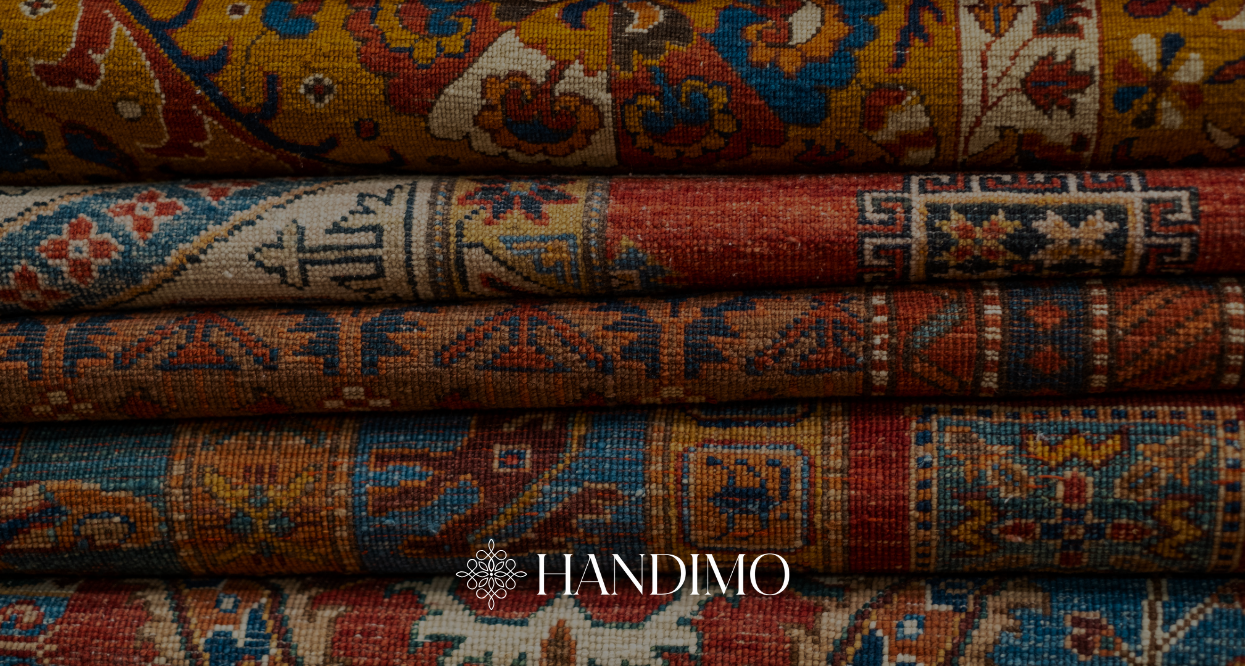

Persian carpets are more than floor coverings; they’re timeless works of art, steeped in centuries of tradition and craftsmanship. Whether you’re a first-time buyer or a seasoned collector, knowing how to spot a genuine Persian carpet is essential to avoid overpaying for imitations or machine-made replicas.
In 2025, with the rise of online marketplaces and global trade, authentic Persian carpets remain highly sought after for their cultural significance and investment value. This guide offers 8 expert tips to help you confidently identify a genuine Persian carpet, covering knot counts, materials, patterns, and more. From beginners decorating their homes to advanced collectors seeking rare pieces, this article provides actionable insights to ensure your purchase is authentic and valuable. Let’s dive into the world of Persian carpets and uncover the secrets to spotting the real deal.
Why Authenticity Matters in Persian Carpets
Authentic Persian carpets, handwoven in Iran, embody a rich cultural heritage dating back over 2,500 years. Unlike mass-produced rugs, genuine Persian carpets are crafted with meticulous care, often taking months or years to complete. Their value lies in their artistry, materials, and historical significance, making them prized investments. In 2025, the global demand for authentic Persian carpets has surged, with Sotheby’s reporting a 15% increase in auction prices for high-quality pieces since 2023 (Sotheby’s, 2024). However, the market is flooded with imitations, making it critical to distinguish genuine carpets from fakes.
Tip 1: Examine the Knot Count and Density
What Is Knot Count?
Knot count refers to the number of knots per square inch (KPSI) in a Persian carpet, indicating its quality and craftsmanship. Higher knot counts (100-500 KPSI) suggest finer, more detailed designs, typical of authentic handwoven carpets from regions like Isfahan or Tabriz.
How to Check Knot Count
Flip the carpet over and count the knots in a one-inch square on the back. Use a ruler for precision. For example, a high-quality Tabriz carpet may have 200-300 KPSI, while a less intricate Heriz might have 50-100 KPSI. Compare this to machine-made rugs, which often lack visible knots or have uniform, less dense patterns.
Tip 2: Identify Traditional Patterns and Motifs
Common Persian Carpet Patterns
Genuine Persian carpets feature region-specific designs, such as the floral medallions of Kerman or the geometric tribal patterns of Qashqai. These motifs reflect Iran’s cultural diversity and are rarely replicated with the same intricacy in machine-made versions.
How to Spot Authentic Patterns
Research regional designs using resources like the Textile Museum’s online archive (TextileMuseum.org, 2024). Look for symmetry in floral patterns or slight variations in tribal designs, which indicate handmade work. Avoid carpets with overly uniform or pixelated patterns, a hallmark of machine production.
Tip 3: Check the Materials Used
Authentic Materials
Genuine Persian carpets use natural materials like wool, silk, or cotton. Wool from Kurdish or Baluchi sheep is common for durability, while silk is used in fine carpets like those from Qom. The foundation (warp and weft) is typically cotton or wool, never synthetic.
How to Test Materials
Rub the carpet gently; natural wool feels soft and slightly oily, while synthetics feel plastic-like. For silk, check for a subtle sheen and lightweight texture. Burn a small fringe thread (with caution): natural fibers smell like burnt hair, while synthetics smell like plastic (University of Tehran, Textile Studies, 2023).
Table: Material Characteristics
| Material | Texture | Common Use | Test |
| Wool | Soft, oily | Pile, durability | Burn test: smells like hair |
| Silk | Smooth, shiny | Fine details | Lightweight, subtle sheen |
| Cotton | Firm, matte | Foundation | Less elastic than synthetics |
Tip 4: Inspect the Back of the Carpet
The back of a Persian carpet reveals its authenticity. Handwoven carpets show slightly irregular knots and visible warp/weft threads, while machine-made rugs have a uniform, often glued backing.
Inspection Tips
- Look for uneven knot patterns, a sign of human craftsmanship.
- Check for a soft, flexible backing versus a stiff, synthetic one.
- Ensure the design on the back mirrors the front, indicating a hand-knotted piece.
Tip 5: Verify the Origin and Provenance
Importance of Origin
Persian carpets are made in Iran, with specific regions like Kashan, Tabriz, or Shiraz producing distinct styles. Provenance documents or certificates from reputable dealers can confirm authenticity.
How to Verify
Ask for a certificate of authenticity or provenance records. Reputable dealers, like those endorsed by the Carpet Export Association of Iran, provide detailed origin information. Be wary of vague claims like “Made in Persia” without specifics (Carpet Export Association, 2024).
Tip 6: Assess the Dye Quality
Natural vs. Synthetic Dyes
Traditional Persian carpets use natural dyes from plants (e.g., indigo, madder) or insects (cochineal), creating rich, lasting colors. Synthetic dyes, common in fakes, fade quickly or appear overly bright.
How to Test Dye Quality
Check for color consistency under natural light. Natural dyes have subtle variations, while synthetics look uniform. Dab a damp cloth on a small area; synthetic dyes may bleed (Journal of Textile Science, 2024).
Tip 7: Look for Handmade Imperfections
Handmade Persian carpets often have slight asymmetries, such as uneven edges or minor color variations, reflecting the artisan’s work. Machine-made rugs are overly perfect.
What to Look For
- Check for slight irregularities in the pattern or border.
- Examine the fringes; handwoven carpets have fringes woven into the foundation, not sewn on.
- Look for abrash (natural color gradations), a sign of hand-dyeing.
Tip 8: Consult a Reputable Dealer or Expert
Why Expertise Matters
A trusted dealer or appraiser can verify authenticity, especially for high-value carpets. In 2025, experts use tools like UV light to detect synthetic dyes or repairs.
Finding a Reputable Dealer
Choose dealers certified by organizations like the Oriental Rug Importers Association. For example, Handimo.com’s team of experts offers appraisals and authenticity checks. Avoid sellers with vague descriptions or suspiciously low prices.
Common Myths About Persian Carpets
- Myth: All Persian carpets are expensive. Truth: Prices vary widely; tribal rugs can be affordable, while silk Qom carpets are premium.
- Myth: New carpets aren’t authentic. Truth: Many genuine carpets are made today using traditional methods.
- Myth: Machine-made rugs are just as good. Truth: They lack the durability and cultural value of handwoven carpets.
How to Care for Your Persian Carpet
To maintain value, clean your carpet gently with a vacuum (low suction) and avoid direct sunlight to prevent fading. For deep cleaning, consult professionals every 3-5 years (Textile Conservation Institute, 2024).
2025 Trends in Persian Carpet Collecting
In 2025, collectors prioritize sustainable, ethically sourced carpets, with a focus on natural dyes and tribal designs. Auction data shows a 20% rise in demand for Qashqai and Baluchi rugs (Christie’s, 2025). Stay updated by following Handimo.com’s blog for the latest trends.
FAQ
Q: How can I tell if a Persian carpet is handmade?
A: Check the back for irregular knots and woven fringes, not sewn-on ones.
Q: Are all Persian carpets from Iran?
A: Yes, genuine Persian carpets are made in Iran, though imitations may claim otherwise.
Q: What’s the average cost of a genuine Persian carpet in 2025?
A: Prices range from $500 for small tribal rugs to $50,000+ for fine silk carpets.
Q: Can new Persian carpets be authentic?
A: Yes, many artisans in Iran continue traditional weaving techniques today.
Q: How do I avoid buying a fake Persian carpet online?
A: Buy from reputable dealers like Handimo.com and request provenance documents.


